If you are asking when the IRS starts accepting tax returns in 2026, the answer is already confirmed. Earlier preparation can save you time, stress, and even money.
The IRS officially began accepting and processing federal individual tax returns on January 26, 2026, marking the opening of the nation’s filing season for 2025 tax returns.
Understanding this date is critical. Filing early helps prevent refund delays, reduces the risk of fraud, and gives you more control over your finances before the April deadline.
Confirmed IRS Start Date for 2026
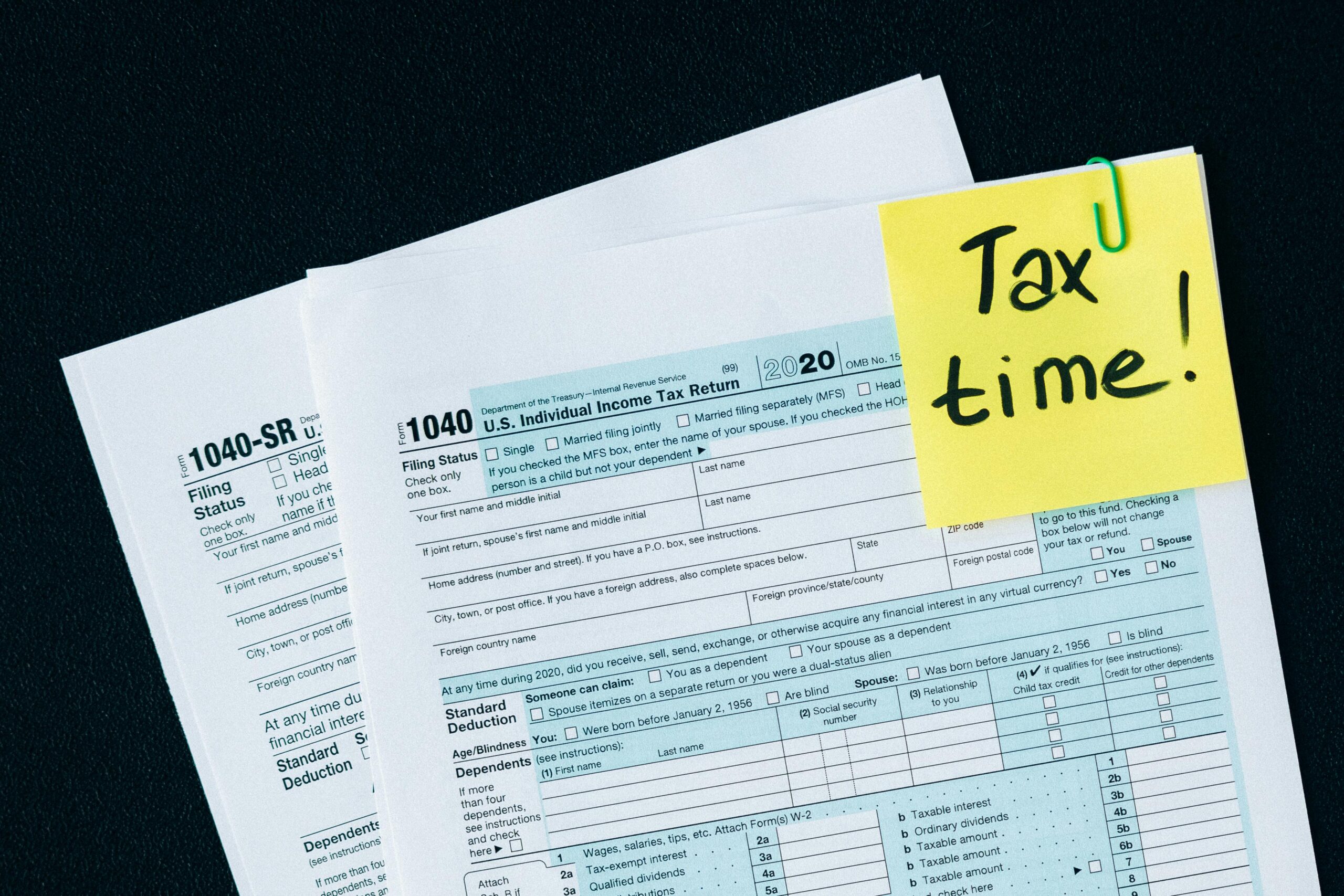
The Internal Revenue Service announced Monday, January 26, 2026, as the opening day when taxpayers can begin submitting their federal returns.
The agency expects roughly 164 million individual tax returns to be filed before the federal deadline of April 15, 2026.
What This Means for Taxpayers
- Electronic filing is encouraged because it speeds processing.
- Direct deposit is the fastest way to receive refunds.
- Most refunds are issued in fewer than 21 days, although some returns require additional review.
Why Filing Early Matters More Than Ever in 2026
Several tax law changes are taking effect this season, potentially impacting deductions, credits, and refund amounts.
Additionally, news reports indicate refunds could be larger than usual due to expanded tax benefits, with projections suggesting average refunds may increase.
However, delays are still possible because of staffing issues and operational challenges within the IRS.
Bottom line: Early and accurate filing reduces your chances of being caught in processing slowdowns.
Key Deadlines You Cannot Ignore
| January 26, 2026 | IRS begins accepting returns |
| April 15, 2026 | Federal tax filing deadline |
Missing the deadline can lead to penalties and interest, so proactive planning is essential.
How to Prepare Before You File
The IRS recommends taking a few simple steps to ensure your return is accurate:
Gather Your Documents
Examples include:
- W-2 forms from employers
- 1099 income statements
- Records from gig work or retirement income
Organized records make preparing a complete and accurate return much easier.
Use IRS Online Tools
Taxpayers can access their IRS Individual Online Account to view balances, payments, and tax records.
Consider Free Filing Options
Eligible taxpayers may use IRS Free File software at no cost, depending on income level.
When Should You Expect Your Refund?
While timelines vary, the IRS notes:
- Refund status is typically available about 24 hours after e-filing.
- Most refunds are issued within 21 days for electronic filers.
Taxpayers claiming certain credits, such as the Earned Income Tax Credit, may see refunds by early March if there are no issues.
Watch for Possible Filing Season Changes
Government officials have suggested the filing deadline could be extended in response to major winter storms affecting multiple states, continuing a long tradition of granting relief after disasters.
Staying informed is essential because IRS updates can directly affect your timeline.
Common Mistakes That Delay Tax Returns

Even if you file early, avoid these errors:
- Incorrect Social Security numbers
- Missing income documents
- Math mistakes
- Choosing paper filing instead of e-file
The IRS emphasizes that filing electronically with direct deposit remains the fastest route to your refund.
Expert Insight: Should You File Immediately?
From a strategic standpoint, early filing is ideal if:
- You have all the documents ready.
- Your financial situation is straightforward.
- You want faster access to refunds.
Waiting may make sense if you expect corrected forms or additional tax documents.
So, when does the IRS starts accepting tax returns in 2026?
The confirmed date is January 26, 2026, and taxpayers should begin preparing as early as possible to avoid delays, maximize refunds, and stay compliant with federal deadlines.
The confirmed date is January 26, 2026, and taxpayers should begin preparing as early as possible to avoid delays, maximize refunds, and stay compliant with federal deadlines.
The smartest taxpayers treat tax season as a financial planning opportunity rather than a last-minute obligation.