Construction Project Tracking: Keeping Your Team on Schedule and Under Budget
If you manage construction projects, you already know how things usually go.
- The schedule looks solid on Monday.
- By Wednesday, the materials will be delayed.
- By Friday, costs are creeping up, and no one is sure where the overrun started.
Most construction projects do not go over budget because of one big mistake. They slip because of dozens of small disconnects. Missed updates. Outdated spreadsheets. Teams are working from different versions of the truth.
This is where ERP for construction stops being a “nice to have” and becomes essential.
Why Construction Project Tracking Breaks Down
Construction is complex by nature. Multiple crews. Multiple vendors. Tight timelines. Thin margins.
What we see repeatedly across construction firms is this:
- Project data lives everywhere.
- Schedules are updated manually.
- Costs are reviewed after the damage is done.
When information is delayed, so are the decisions. And delays cost money.
ERP for construction solves this by centralizing project data into one system that updates in real time.
What Is ERP for Construction, Really?
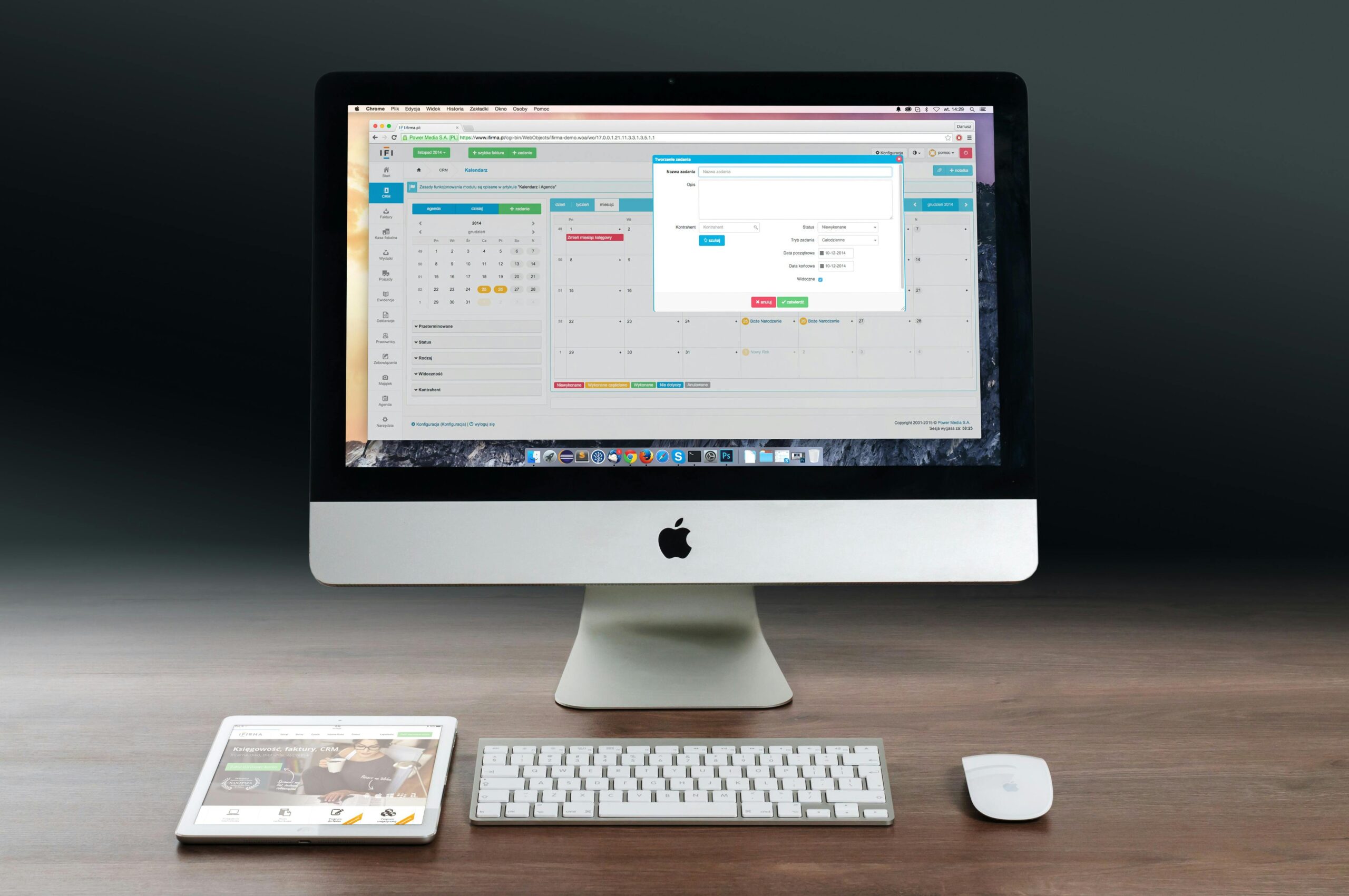
ERP stands for enterprise resource planning. In construction, it means one platform that connects operations, finance, and project management.
Instead of juggling tools, ERP for construction provides a single source of truth for:
- Project schedules
- Labor tracking
- Material costs
- Change orders
- Budget vs actual reporting
This is not about software complexity. It is about visibility.
How ERP for Construction Keeps Projects on Schedule
Real Time Schedule Tracking
With ERP for construction, schedules are updated as work progresses. Field teams log progress. Project managers see changes immediately.
This allows teams to adjust before small delays become major setbacks.
Improved Team Coordination
When everyone works from the same system, communication improves naturally.
Superintendents, office staff, and leadership see the same data. Fewer meetings are needed just to “get on the same page.”
How ERP for Construction Controls Project Costs
Live Budget vs Actual Monitoring
One of the biggest advantages of ERP for construction is cost transparency.
Labor hours, materials, and subcontractor expenses flow directly into financial reporting. Overruns are identified early, not at the end of the project.
Change Order Management Without Confusion
Change orders are inevitable. Lost paperwork is not.
ERP systems track approvals, costs, and schedule impact in one place. This protects margins and prevents disputes.
Why ERP for Construction Supports Better Decision Making

Accurate Forecasting Across Projects
When data is consistent, forecasting improves.
ERP for construction allows leadership to see future resource needs, cash flow timing, and project profitability. This supports smarter bidding and staffing decisions.
Reduced Risk and Improved Accountability
Clear data creates accountability.
When everyone can see progress, costs, and responsibilities, problems surface faster and are resolved sooner.
Topfinalyst Tip
Do not judge ERP for construction by feature lists alone. Map your real project workflows first. The right system should reduce steps, not add new ones.
Why Construction Firms Struggle With ERP Adoption
Many firms delay ERP adoption because of fear.
- Fear of disruption.
- Fear of complexity.
- Fear of cost.
In reality, the highest cost is continuing to operate without clear visibility. The right ERP implementation simplifies daily work instead of complicating it.
How Topfinalyst Consulting Helps Construction Firms Succeed With ERP

At Topfinalyst Consulting, we have seen both successful and failed ERP implementations.
The difference is never the software alone. It is alignment.
We help construction firms align ERP for construction with:
- Project management processes
- Financial controls
- Team workflows
- Long-term growth plans
Our approach reduces risk and ensures adoption across the organization.
What Changes When ERP for Construction Is Done Right
Construction firms using ERP effectively experience:
- More predictable project timelines
- Improved budget control
- Stronger team coordination
- Clearer profitability insights
Project tracking stops being reactive. It becomes proactive.
Construction project tracking does not fail because teams are careless. It fails because systems are disconnected.
ERP for construction reconnects schedules, costs, and people into one operational view. When that happens, staying on schedule and under budget becomes achievable, not aspirational.